Bloomberg: ’Tis the Season for Potato Chip-Crusted Fried Chicken

’Tis the Season for Potato Chip-Crusted Fried Chicken

To celebrate Hanukkah, a recipe that goes big on frying from the Peas Love & Carrots cookbook.
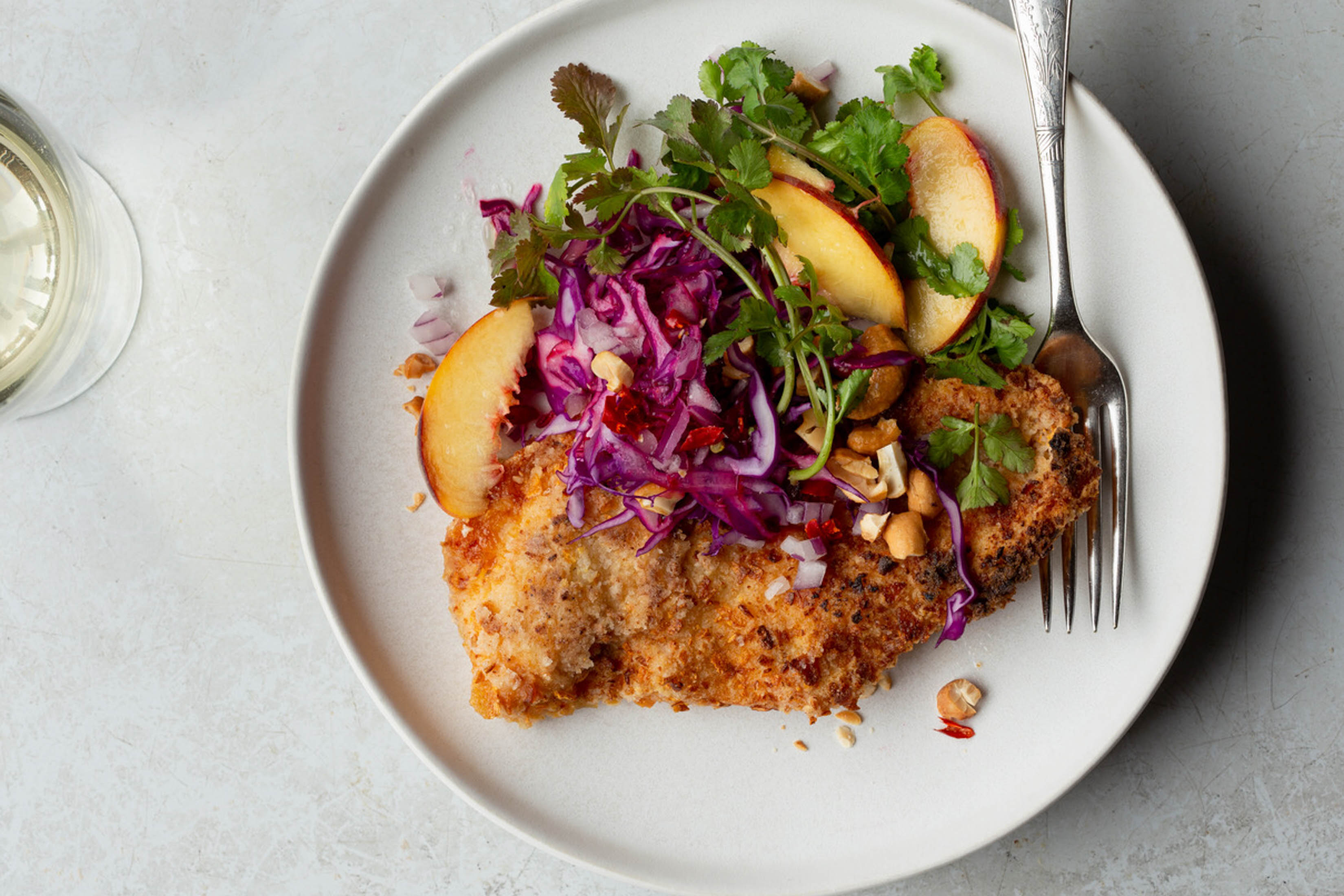
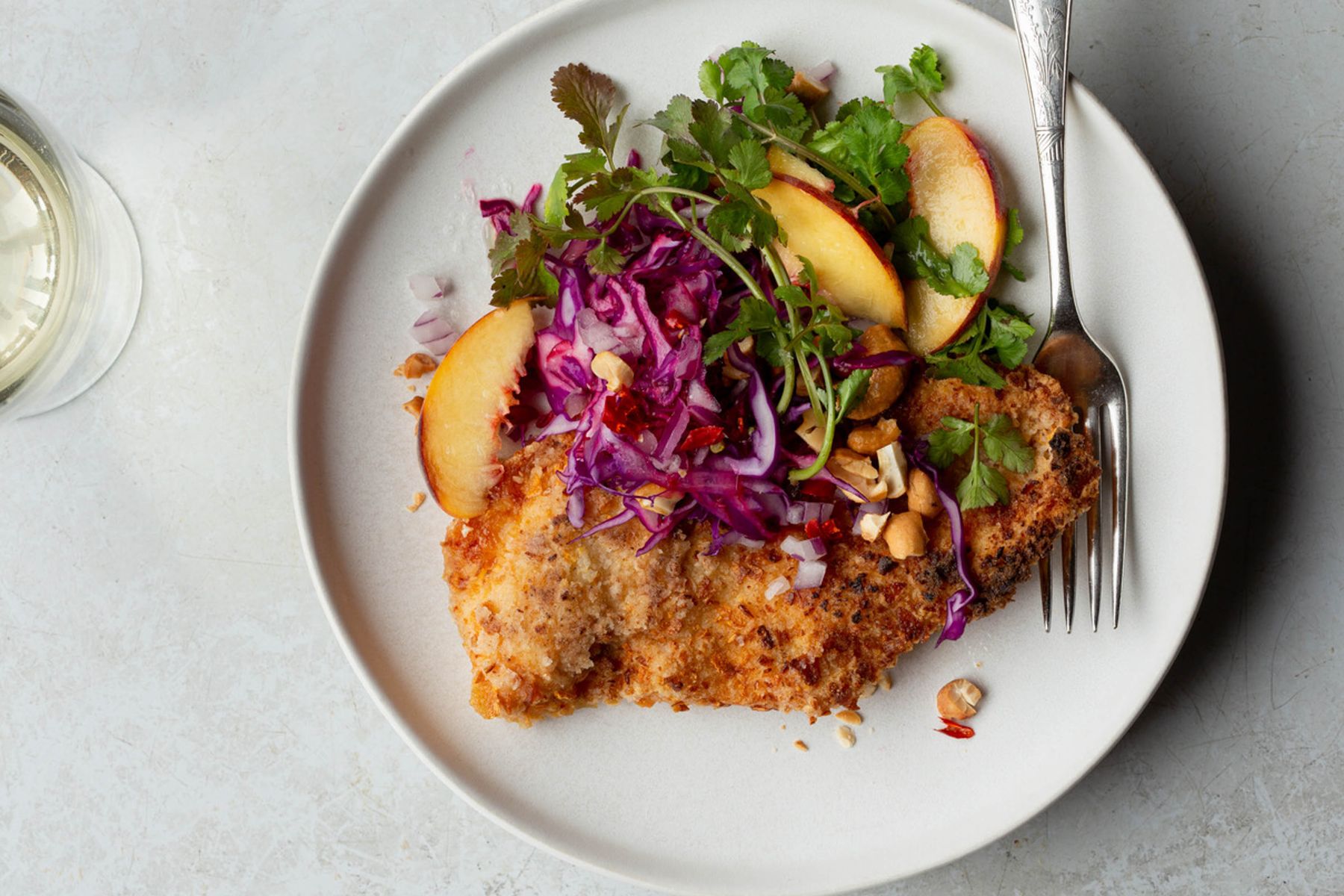
Potato chip schnitzel.

Potato chip schnitzel.

Photographer: Moshe Wulliger

Editor’s Note: As more people are working from home, Bloomberg Pursuits is running a weekly Lunch Break column that highlights a notable recipe from a favorite cookbook and the hack that makes it genius.

It is prime frying season, and that sound you hear is pans full of sizzling oil that have cooked infinite piles of latkes, the most traditional food for the start of Hanukkah.

But after the first night of the Jewish Festival of Lights, which began on Dec. 10, most people have a potato pancake hangover and are ready to move on. For them, and for anyone with a hankering for thin slices of meat fried in fat and taken over the top, Danielle Renov offers potato chip-crusted chicken schnitzel. That’s right: It’s fried chicken coated with an already fried product.
relates to ’Tis the Season for Potato Chip-Crusted Fried Chicken

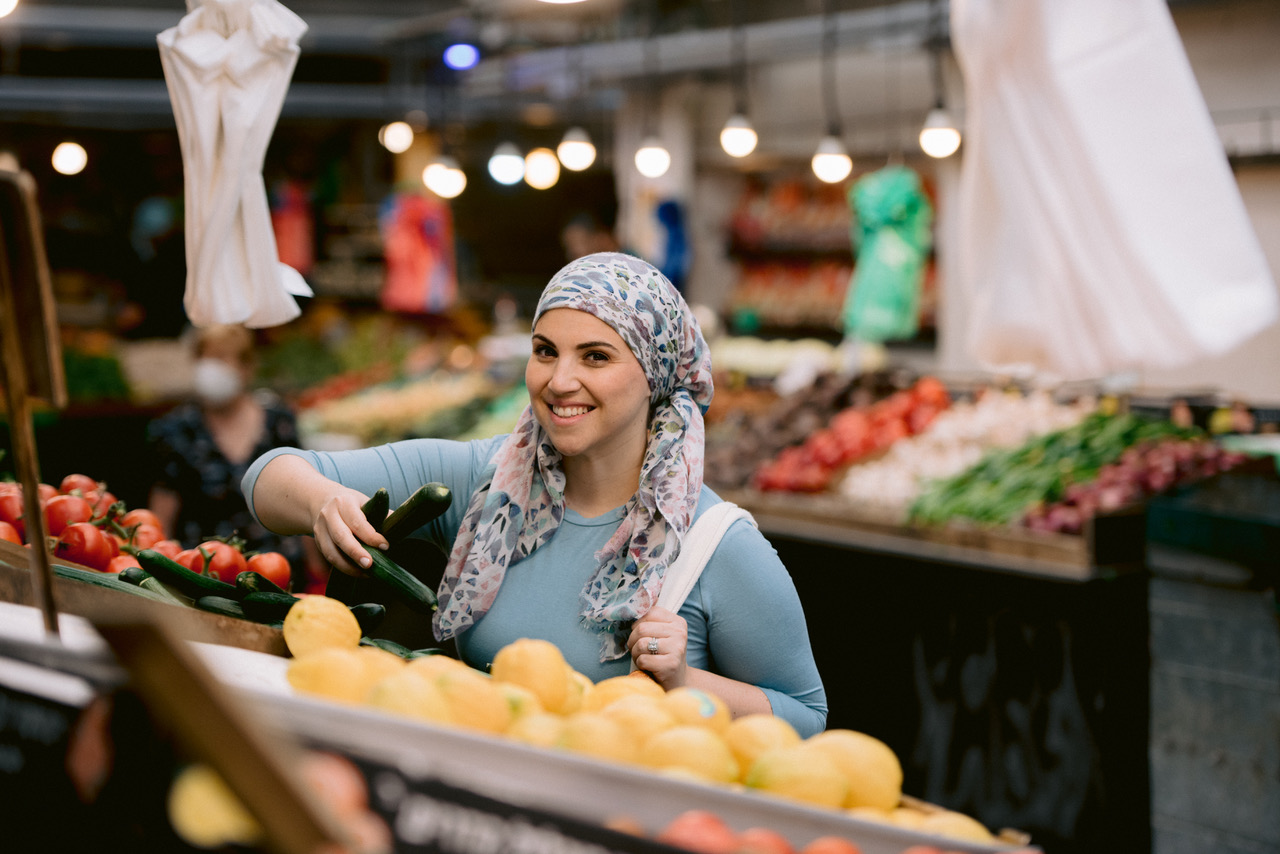
Danielle Renov, creator of potato chip schnitzel.

Photographer: Moshe Wulliger

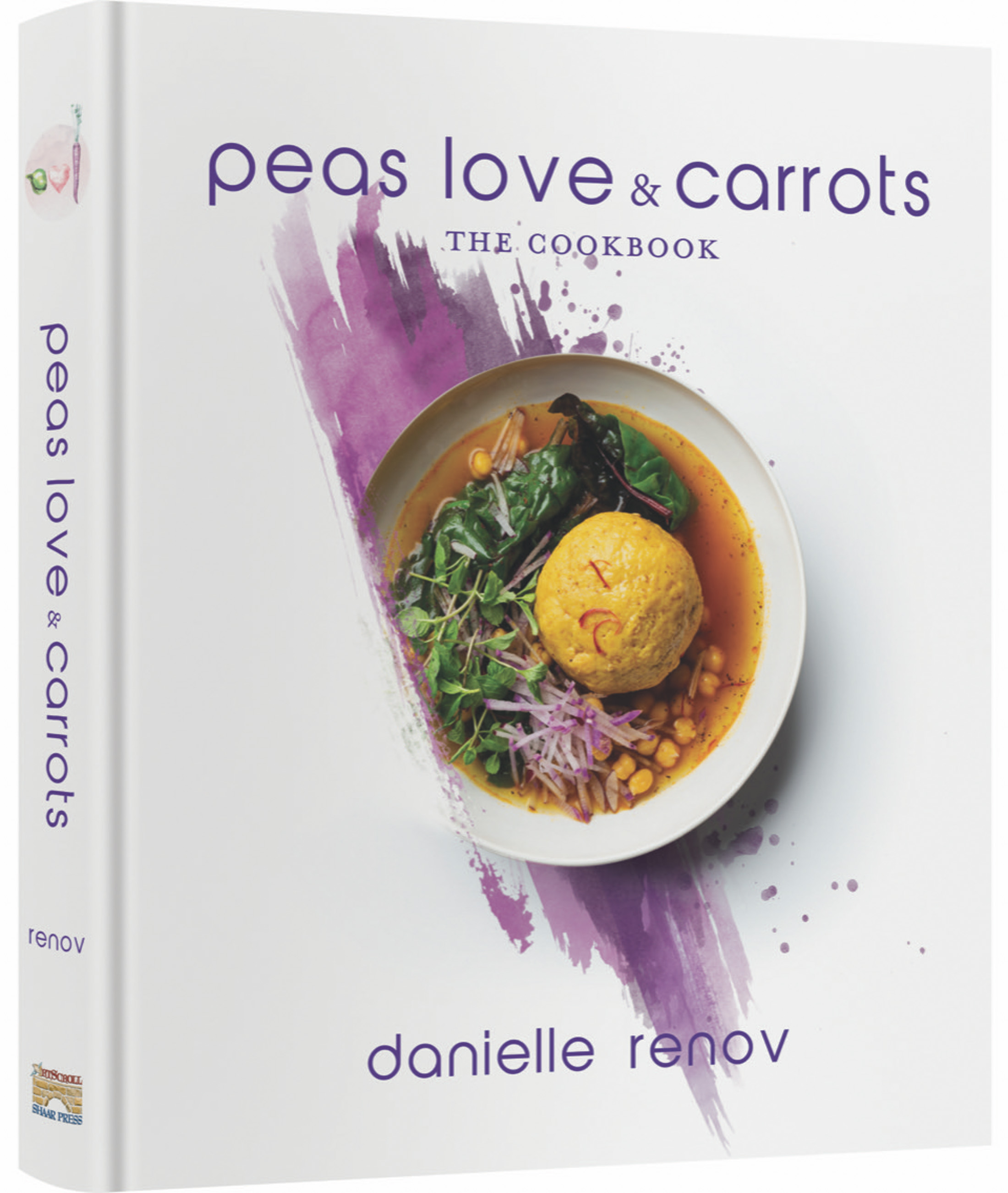
The instantly addictive dish is featured in the Jerusalem-based writer’s new cookbook, Peas Love & Carrots (Mesorah Publications; $40), which has more than 250 fun, innovative recipes. Among them is Renov’s most-Instagram-tagged dish, ‘tiny schnitsel’ (her spelling of the Hebrew pronunciation) which basically translates as chicken fingers. Also begging for attention are two-ingredient chocolate mousse (dark chocolate, eggs), sloppy franks, and a hamburger roll—ground beef burnished with mustard and wrapped in puff pastry—which could be nicknamed burger in a blanket.
relates to ’Tis the Season for Potato Chip-Crusted Fried Chicken

Still, it’s hard not to get fixated on the potato chip schnitzel. Renov, who created her popular cooking website of the same name, calls it “a crossover schnitzel.” She created it for Passover because it’s easy to find potato chips that are kosher for the holiday. But, she says, it’s perfect for Hanukkah, “because it’s fried and commemorates oil lasting for eight days, instead of one.”

Among Renov’s innovations is to incorporate multiple sizes of potato chips in the coating, ranging from bread crumb-sized particles to large, only slightly broken-up ones. “I like texture, and if you’re going to put potato chips on chicken, you want to know they’re there to appreciate them.” She also adds potato starch, which helps the chips adhere while giving a light, crusty texture to the cutlets.
relates to ’Tis the Season for Potato Chip-Crusted Fried Chicken

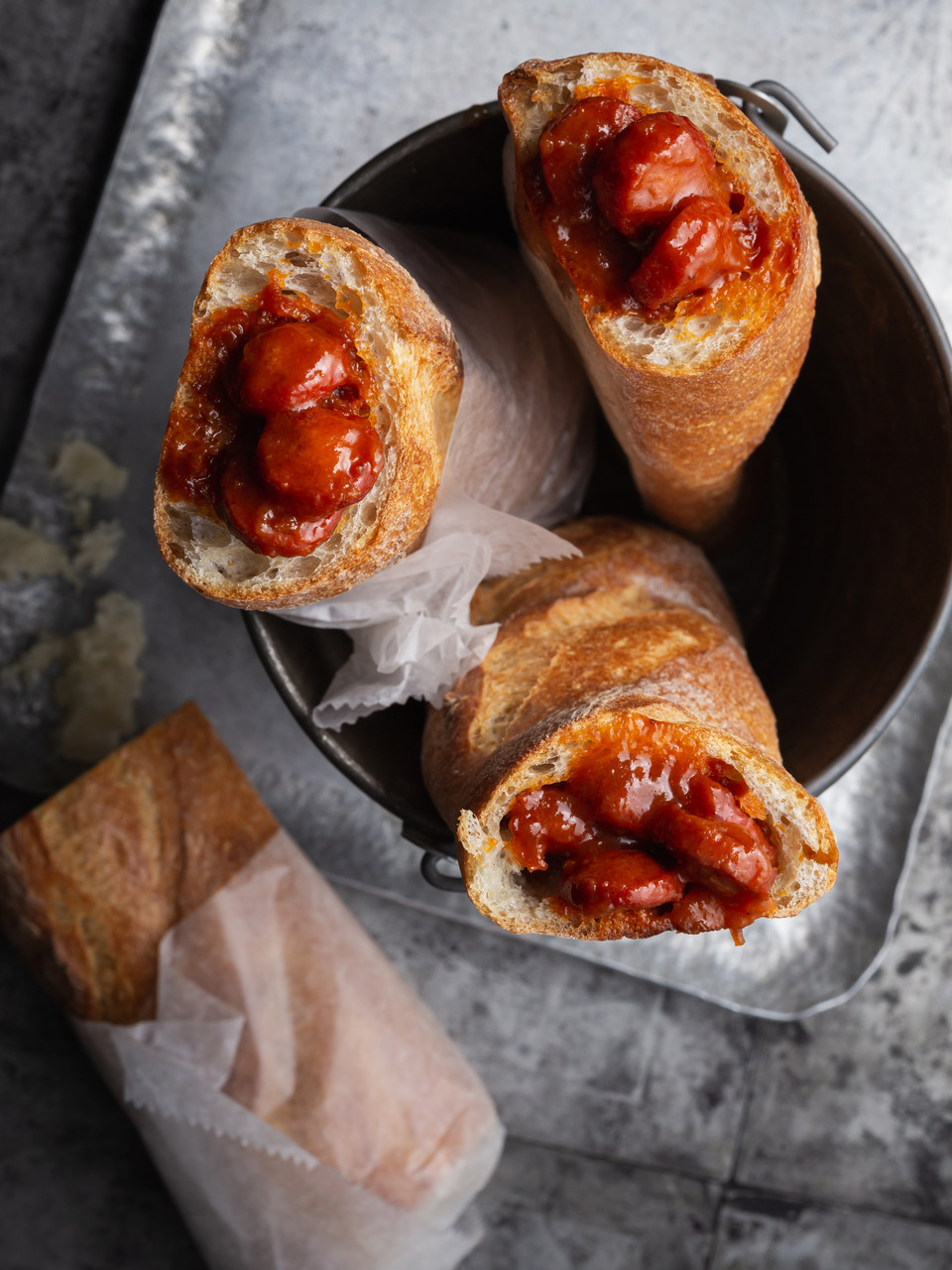
Another of Renov’s innovative recipes is sloppy franks.

Photographer: Moshe Wulliger

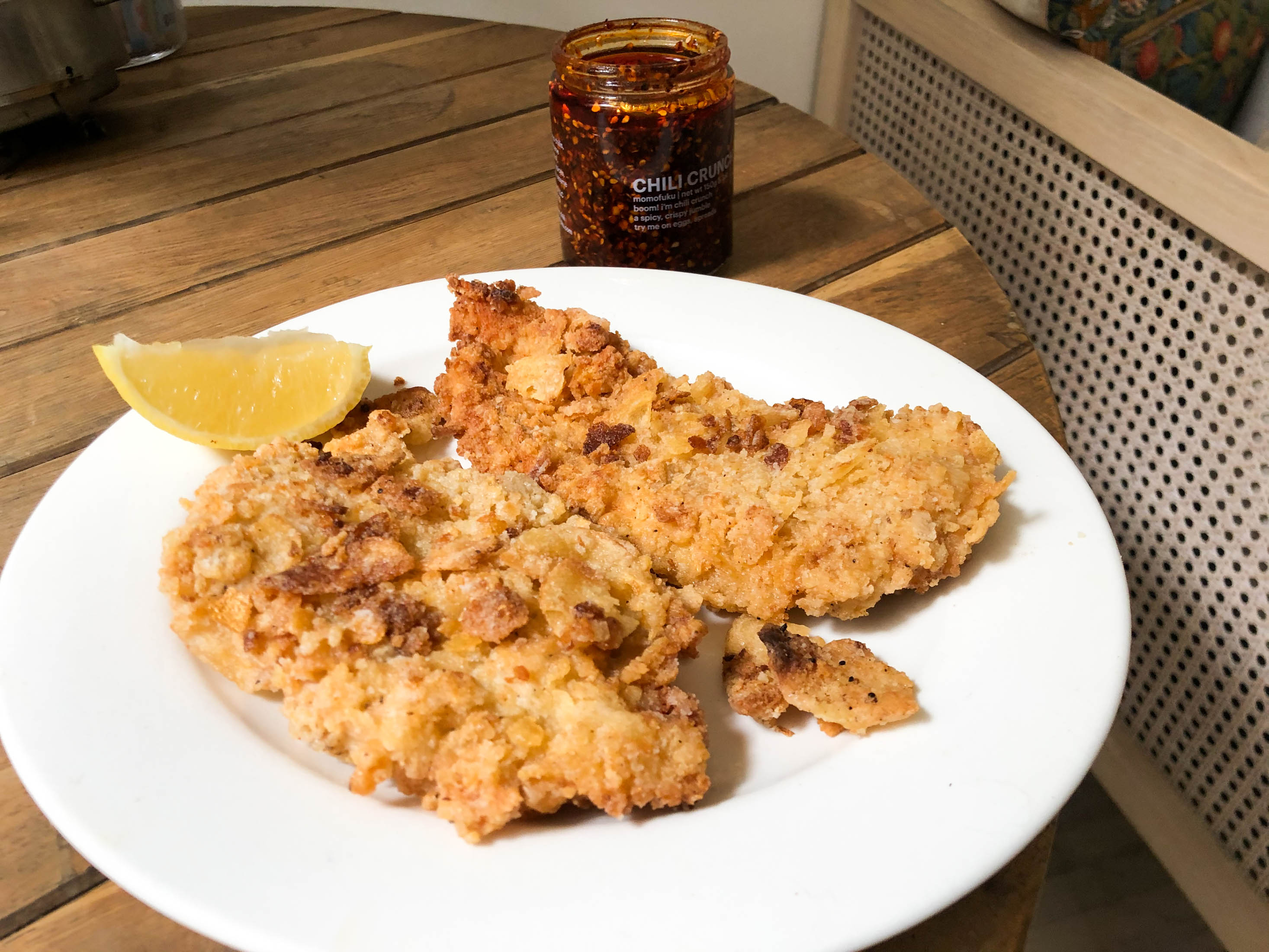
The finished schnitzel is magnificent: a juicy chicken cutlet with golden chips of all sizes clinging to the sides.

It’s also forgiving. The larger potato chip pieces might fall off during frying, but you can pile them on top of the schnitzel when you serve it. In warmer weather, Renov tops them with a cold, crunchy salad to contrast the richness. In the winter, spoon on some hot sauce, preferably an Asian chile crisp that amplifies the crunchiness.

“The truth is, Jewish holidays make you really creative,” says Renov. “At Hanukkah, latkes are good the first day and the last day, but you need to figure out other things to fry in between.” She’s waiting for Top Chef to do a kosher season. “Not to take away from the show’s contestants, but you have a world of prime ingredients; you can use all the cured hams and the best butter. Jewish holidays challenge you to extract the most flavor from what you’re allowed. But it’s a fun challenge.”

Tester’s Notes: The hardest part of the dish is the cleanup. Coating chicken cutlets with big and little potato chips and then frying them in a pan of oil is not a neat job. Thicker, sturdier potato chips such as Kettle brand’s work best to stand up to the business of frying; the most important thing is that they’re salted.

Chicken cutlets are widely available. If your store is out, cover boneless, skinless chicken breasts with plastic wrap and flatten them with a heavy skillet or rolling pin.

The following recipe is adapted from Peas Love & Carrots by Danielle Renov.

Potato Chip Chicken Schnitzel
relates to ’Tis the Season for Potato Chip-Crusted Fried Chicken

Any potato chips that fall off during frying are easily piled on top.

Photographer: Kate Krader/Bloomberg

Serves 4

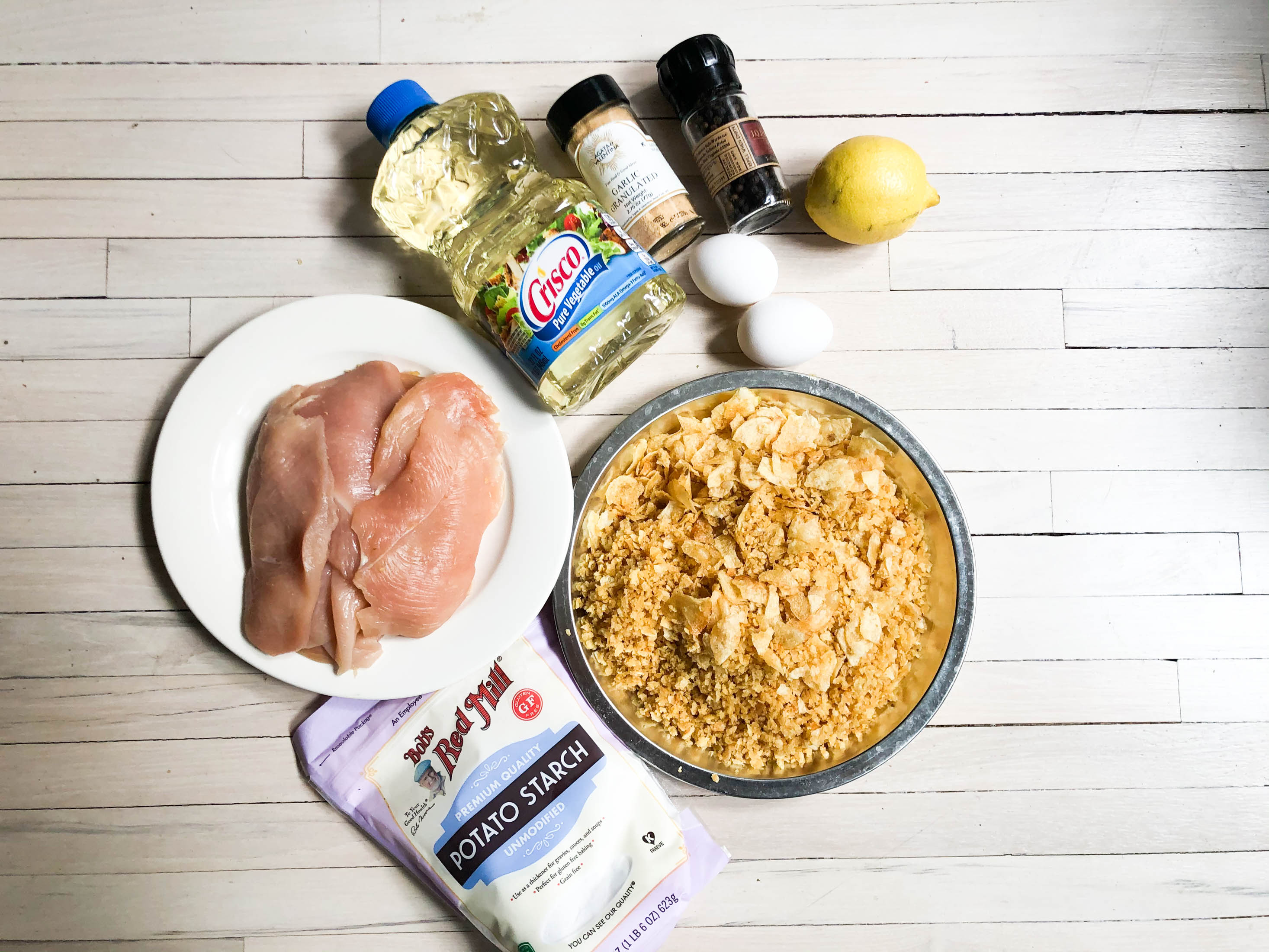
2 ½ cups potato chip crumbs (made by crushing the chips by hand or in a food processor until they resemble fine breadcrumbs), about 10 oz.
1 ½ cups potato chip shards, gently crushed by hand (they should look like broken potato chips, not crumbs), about 5 oz.
1 1/3 cups potato starch or cornstarch
2 large eggs, lightly beaten
1 tbsp. garlic powder
1 tsp. black coarsely ground black pepper
½ tsp. kosher salt
8 thin chicken cutlets (about 1 ¼ lb.), about ¼ inch thick 
Vegetable oil, for frying
Lemon wedges, for serving
Chile crisp or hot sauce, for serving (optional)
relates to ’Tis the Season for Potato Chip-Crusted Fried Chicken

Note the different sizes of potato chips used for the coating.

Photographer: Kate Krader/Bloomberg

In a large bowl, combine all the potato chips and potato starch. In another large, shallow dish, combine the eggs, garlic powder, pepper, and salt. Dip each cutlet in the egg mixture and then into potato chip mixture, using your hands to help press the potato chips onto the chicken.

Heat 1 inch of oil in a frying pan over high heat. When the oil is almost shimmering, carefully add 2 to 3 pieces of shnitzel to the pan; do not overcrowd the pan, or the chicken will steam and not get crunchy. Fry for about 3 minutes, until golden brown at the edges. Flip the chicken and fry for 1 to 2 minutes more to brown the bottom.

Transfer to a cooling rack to allow any excess oil to drip off. Fry the remaining cutlets, adjusting the heat if necessary. Serve the cutlets with lemon wedges and Chile crisp or hot sauce, if desired.

Good Morning America: How to make Chef Danielle Renov’s potato latkes

How to make Chef Danielle Renov’s potato latkes

Amp up your cooking game with these easy eats and recipes you can whip up in 30 minutes or less.

Chef Danielle Renov makes her signature potato latkes live on Instagram with Ginger Zee.


Ingredients

Makes about 30 (2 inch) latkes

5½ lb/ 2.4 k red waxy potatoes (a few ounces more or less will not make a difference), peeled
1 large onion, peeled
2 eggs, beaten
1 Tbsp + 1 tsp kosher salt
oil, for frying (I like avocado or canola)
1 carrot, washed, cut into 2 inch pieces

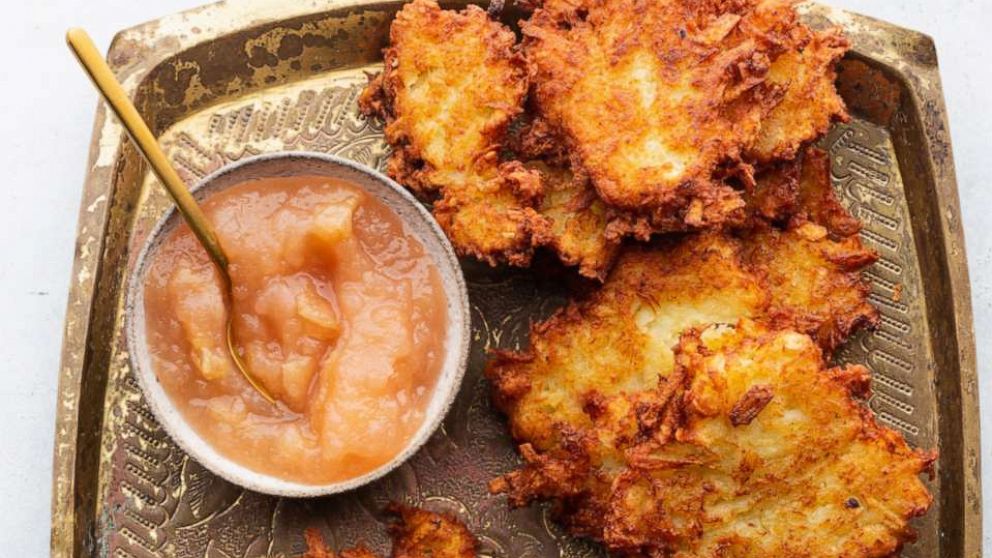
PHOTO: Potato Latkes by chef Danielle Renov.

Danielle Renov

Potato Latkes by chef Danielle Renov.

Directions

Peel potatoes and place in a bowl of very cold water (peeled potatoes can stay in cold water in the fridge for a whole day before using).
Set up 3 bowls. In one bowl place a colander or fine mesh strainer.
Using the “E” blade of your food processor or the small hole grater of your box grater (the one that looks like spikey circles) to grate the onion.
Remove potatoes from water and dry them.
Grate half the potatoes in a food processor fitted with the “E” blade.
Next, switch the blade of the food processor to the fine shredder (“C” blade). Grate the remaining potatoes.
Add the contents of the food processor to the prepared colander.
Working quickly, remove a few handfuls of potato mixture and place onto the center of a tea towel.
Gather the four corners of the towel and, over the second bowl, twist and squeeze the towel tightly to extract as much liquid as possible from the potatoes.
DO NOT DISCARD THE LIQUID YET.
Add the drained potato mixture, which should now be very dry, to the third bowl.
Continue this process until all the potato mixture has been squeezed and is now dry and in the third bowl.
Gently pour out all the liquid that was collected from the first two bowls until you reach the starchy layer that has accumulated on the bottom.
Use a spoon to scrape up the starch and add that to the potato mixture.
Add eggs and salt to potato and starch, and mix to combine everything.
(I think it’s easiest to mix this by hand, wearing a disposable glove).
Place a frying pan over medium high heat.
Add ¼-½ cup oil (the amount will vary depending on how wide your pan is. You’re looking for a little less than ¼ inch up the side of the pan.)
Add 1 carrot piece to the oil to absorb any unwanted “brown oil” that occurs from burned bits, and leave it there the whole time you are cooking.
Set up a cooling rack over a piece of foil or parchment paper to place fried latkes on.
Add 2 tablespoons potato mixture to the hot pan and use the back of a spoon to flatten the patty.
Cook for 2-3 minutes on the first side, until you see the edges darkening, and then flip and cook for 2 minutes on the second side.
Transfer latkes to a cooling rack to drain.
Serve hot and enjoy!

Tips and Tricks

Waxy potatoes make better latkes than Idaho potatoes.
Using 2 types of graters for the potatoes provides a soft creamy inside and a super crispy outside.
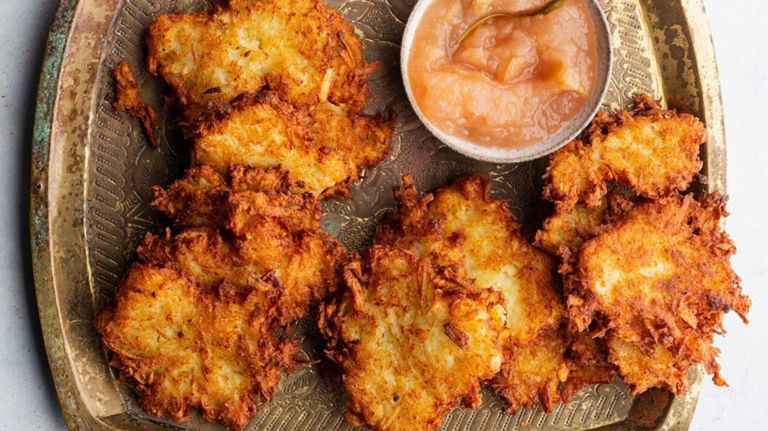
Do not form perfect round latkes and then put it in the pan. Plop a scoop in the pan and flatten with a spoon. All those “strands” that stick out will get super crispy and be the best part of the latke.
If you don’t have a cooling rack, use a rack from your oven!
To keep warm or reheat, place entire cooling rack in a 200°F/95°C oven, uncovered. Alternatively, place latkes in a single layer on a baking sheet, uncovered, at the same temperature. The rack method will yield a better result but a baking sheet will still work!
*FUN FACT: There is no official name for that side of the box grater. I therefore dub that side of the box “The small prickly grater.” Please inform Webster. Thank you.

Toppings

Labne/sour cream
Apple Sauce
Zataar (Spice Mix you can purchase)
Smoked salmon

KATU: Perfect Potato Latkes

Perfect Potato Latkes

Original Post

It’s a classic Hanukkah recipe! Cookbook author and recipe developer Danielle Renov, author of “Peas, Love and Carrots”, joined us all the way from Israel to teach us how to make perfect potato latkes.

For more delicious inspiration from Danielle, follow her on Instagram and check out her website.

PERFECT POTATO LATKES

Say bye bye to a house that smells like fried food for days and oil splatters on your clothing! It comes down to technique. Simple ingredients, treated properly to maximize what they can do for you in terms of flavor and texture. That’s what this page is about. If you want to use your grandmother’s recipe and amounts, I say, go for it. Just apply the few simple but important techniques here and your latkes will be crispy and delicious every time!

Makes about 30 (2 inch) latkes

INGREDIENTS:

5 1/2 lb/ 2.4 k red waxy potatoes (a few ounces more or less will not make a difference), peeled

  • 1 large onion, peeled
  • 2 eggs, beaten
  • 1 Tbsp + 1 tsp kosher salt
  • oil, for frying (I like avocado or canola)
  • 1 carrot, washed, cut into 2 inch pieces

INSTRUCTIONS:

Peel potatoes and place in a bowl of very cold water (peeled potatoes can stay in cold water in the fridge for a whole day before using).

Set up 3 bowls. In one bowl place a colander or fine mesh strainer.

Using the “E” blade of your food processor or the small hole grater of your box grater (the one that looks like spikey circles) to grate the onion.

Remove potatoes from water and dry them.

Grate half the potatoes in a food processor fitted with the “E” blade.

Next, switch the blade of the food processor to the fine shredder (“C” blade). Grate the remaining potatoes.

Add the contents of the food processor to the prepared colander.

Working quickly, remove a few handfuls of potato mixture and place onto the center of a tea towel.

Gather the four corners of the towel and, over the second bowl, twist and squeeze the towel tightly to extract as much liquid as possible from the potatoes.

DO NOT DISCARD THE LIQUID YET.

Add the drained potato mixture, which should now be very dry, to the third bowl.

Continue this process until all the potato mixture has been squeezed and is now dry and in the third bowl.

Gently pour out all the liquid that was collected from the first two bowls until you reach the starchy layer that has accumulated on the bottom.

Use a spoon to scrape up the starch and add that to the potato mixture.

Add eggs and salt to potato and starch, and mix to combine everything. (I think it’s easiest to mix this by hand, wearing a disposable glove).

Place a frying pan over medium high heat.

Add 1/4- 1/2 cup oil (the amount will vary depending on how wide your pan is. You’re looking for a little less than 1/4 inch up the side of the pan.)

Add 1 carrot piece to the oil to absorb any unwanted “brown oil” that occurs from burned bits, and leave it there the whole time you are cooking.

Set up a cooling rack over a piece of foil or parchment paper to place fried latkes on.

Add 2 tablespoons potato mixture to the hot pan and use the back of a spoon to flatten the patty.

Cook for 2-3 minutes on the first side, until you see the edges darkening, and then flip and cook for 2 minutes on the second side.

Transfer latkes to a cooling rack to drain.

Serve hot and enjoy!

TIPS + TRICKS:

-Waxy potatoes make better latkes than Idaho potatoes.

-Using 2 types of graters for the potatoes provides a soft creamy inside and a super crispy outside.

-Do not form perfect round latkes and then put it in the pan. Plop a scoop in the pan and flatten with a spoon. All those “strands” that stick out will get super crispy and be the best part of the latke.

-If you don’t have a cooling rack, use a rack from your oven!

-To keep warm or reheat, place entire cooling rack in a 200F/95C oven, uncovered. Alternatively, place latkes in a single layer on a baking sheet, uncovered, at the same temperature. The rack method will yield a better result but a baking sheet will still work!

*FUN FACT: There is no official name for that side of the box grater. I therefore dub that side of the box “The small prickly grater.” Please inform Webster. Thank you.

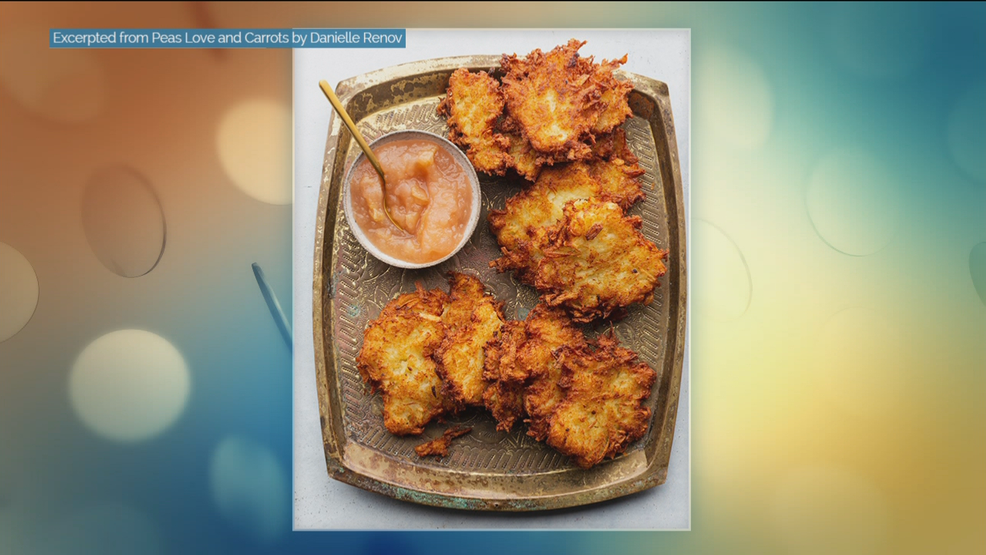
Credit line: Excerpted from Peas Love and Carrots by Danielle Renov. Copyright 2020 by ArtScroll Mesorah Publications, photos by Moshe Wulliger. Reproduced with permission of the copyright holder. All rights reserved.

Aish: Hanukkah: 8 Nights of Games, No Gifts

Original Post

“My kids don’t even know that some kids get presents on Hanukkah,” explained Danielle Renov, a popular Jerusalem-based food blogger, cookbook author and social media presence, in a recent Aish.com interview.

Danielle has impacted the way thousands of people cook, but her greatest influence may be how she’s changing the way Jews worldwide celebrate Hanukkah. Instead of giving gifts each night, Danielle and her husband Eli organize a series of fun contests and games they’ve dubbed the “Chalympics” – a combination of the words Hanukkah and Olympics – now celebrated by thousands of Jews.

Danielle and Eli moved from New York to Jerusalem soon after their wedding fourteen years ago. They’re blessed with seven children, including one who is celebrating his bar mitzvah during Hanukkah this year. For much of the past decade, Danielle has staged ever more elaborate Hanukkah games – and encouraged her many fans and blog followers to do the same.

It started with just one night of games when Danielle’s oldest son was four years old. She’d also bought him presents for the other nights of Hanukkah, but it was the fun game night that he remembered and appreciated the most. The following year, Danielle held one game night only: all her kids loved it. “The next year, I asked why are we even buying Hanukkah presents? All anyone cares about is the game. So the following year we made seven nights of games.” Hanukkah in her home was instantly transformed into a more enjoyable, meaningful holiday – and her kids never even asked to go back to their former custom of exchanging gifts.

The games aren’t complex but they do demand some advanced planning. (Danielle offers plenty of advice as well as step by step instructions for many of the games on her blog, https://peaslovencarrots.com/.)

One game suitable for young kids is “Memory” – a Hanukkah twist on a popular memory matching game. Danielle buys two sets of small prizes, then places them on a surface and covers each one with a small tray. Her kids take turns uncovering two separate prizes: when they uncover two of the same prize, they get to keep both prizes.

The second night of Hanukkah is always “Mise en Place” – a game named after the French term for a chef’s prepping station. Each child gets a set of ingredients and instructions to cook dinner: Danielle usually has some kids chop vegetables for an Israeli salad, another group bread and fry schnitzel, and one group whisk techina. The result is a classic Israeli dinner – and lots of fun. The first team to complete making their dish is the winner.

The final night of Hanukkah is “Blind Taste Test”. “We really mean it,” Danielle notes with a laugh, explaining that she doesn’t hold back, and gives her kids samples of yummy foods like chocolate to taste – but also has them guess the identity of different dishes that involve fish, hot sauce, and other tastes that many kids would rather skip. When the games are done, Danielle records scores on a large homemade scorecard, and uses other accoutrements like homemade “Chalympic” torches. Each year she tries to find a few new games to add to her repertoire and to blog about.

“Thousands of people do ‘Chalympics’ now,” Danielle observes. Several preschools in the US and Canada have adopted this tradition, as well as countless families all over the world.

“We started doing an official “Chalympics’ three years ago,” observes Jessica, a Chicago area mom. Her kids were teens at the time and she wasn’t sure whether they’d enjoy the new family tradition. Like Danielle, she planned games for one night only of Hanukkah – and was hooked. The following year, she held a “Chalympic’ game every night of Hanukkah except for Shabbat, and has never looked back.

“We took the ‘Minute to Win It’ (international game show franchise which sees contestants compete in 60 second games) and converted it to a Hanukkah theme.” Games included: holding up a sign with the word HANUKKAH printed in big letters and seeing how many words each contestant could come up with using the letters; decorating Hanukkah doughnuts; and running relay races without dropping a potato held between the knees. Jessica scoured the internet for game ideas to use. Her mother visited and acted as judge.

“I was surprised that all of them got into it as much as they did – even the older kids,” she observes. Her nephew is a grown adult, and even he eagerly looks forward to the family’s ‘Chalympics’ now. “I think when you do something fun and silly and you laugh, it brings everyone closer together,” she notes.

Writer Deena Friedman recorded her own family’s ‘Chalympic’ experiences a couple of years ago – and offered some great, detailed suggestions for game as well. “It was an amazing Hanukkah filled with fun and family time,” she wrote.

This year, with many families celebrating Hanukkah together virtually, ‘Chalympics’ offers a way to bond over joyous activities. Jessica is busy right now coordinating her family’s games which will be done over Zoom. So far her Hanukkah-themed ideas include a contest to see who can build the tallest stack of pennies, who can peel a potato into the longest strip, and who can decorate a cookie like the ugliest Hanukkah sweater possible.

Games and witty celebrations are actually an ideal way to celebrate Hanukkah. Traditionally, Jewish families didn’t give presents the way many Jews do today; the concept of Hanukkah presents seems to have been influenced by Hanukkah’s proximity to Christmas on the calendar, and the desire of many Jews to incorporate some Christmas celebrations. For generations, Jewish families gave kids gelt (Yiddish for money) as a present on Hanukkah – the concept of more lavish gifts was unknown for most of Jewish history.

Instead of gifts, Jews have always celebrated Hanukkah with laughter and quality family time. The ‘Chalympics’ are a way to get that feeling back, taking the focus off materialism and putting it back on family togetherness, where it belongs.

Newsday: Cookbook author Danielle Renov celebrates Hanukkah with ‘perfect’ latkes

This year, Hanukkah will be even more celebratory in Danielle Renov’s family because her son will be bar mitzvah. When I spoke to the Israel-based Instagram star and cookbook author recently, she still wasn’t sure exactly how the bar mitzvah would be celebrated, but one thing she knew for sure: Hanukkah would involve latkes.

Renov has latkes down to a science — grating the potatoes to two different textures and letting the squeezed-out potato water stand so she can scoop out the settled potato starch and use it to help bind the pancakes. In her book, “Peas Love & Carrots (ArtScroll/Mesorah Publications, 2020), she writes “If you want to use your grandmother’s recipe and amounts, I say, go for it. Just apply the few simple but important techniques here and your latkes will be crispy and delicious every time.”

It’s this blend of culinary rigor and openhearted encouragement that has gained Renov’s Instagram (@peaslovencarrots) nearly 70,000 followers and was the inspiration behind her cookbook. “I started the Instagram in 2015, just posting pictures of dinners for me and my family,” she said, “and it took off very quickly. I love to tell stories and hear stories and now we’ve created a community of people from all over the world.”

Renov’s own background is cosmopolitan. She grew up in Woodsburgh, in Long Island’s Five Towns, with an Ashkenazic father and a mother who was born in Casablanca but grew up in Paris. Thirteen years ago she moved to Israel and, and all of these culinary strands come together in her cooking. Equally important is the obvious joy she takes in preparing meals for her family.

“Providing food for our children that we chose to bring into this world is an obligation,” she said. “And like any other obligation, we can approach it with a bitter, resentful feeling or we can embrace it.” It helps, she conceded, if “you have a general affinity,” but even more important is the cook’s need to go easy on his or herself if things don’t turn out perfect: “We are our own harshest critics. I encourage people to treat themselves with the same understanding that they treat other people with.”

On a more practical level, she does not prepare separate foods for her seven children. “I don’t make four different dinners every night,” she said. “I worked hard to make sure they are good eaters, and they eat what we eat.”

PERFECT POTATO LATKES

“Say bye bye to a house that smells like fried food for days and oil splatters on your clothing,” writes Danielle Renov in her cookbook “Peas Love & Carrots (ArtScroll Mesorah Publications, 2020). “It comes down to technique. Simple ingredients, treated properly to maximize what they can do for you in terms of flavor and texture.”

5½ pounds red waxy potatoes (a few ounces more or less will not make a difference), peeled

1 large onion, peeled

2 eggs, beaten

1 tablespoon plus 1 teaspoon kosher salt

Oil, for frying (I like avocado or canola)

1 carrot, washed, cut into 2 inch pieces

1. Peel potatoes and place in a bowl of very cold water (peeled potatoes can stay in cold water in the fridge for a whole day before using). Set up 3 bowls. In one bowl place a colander or fine mesh strainer.

2. Use the fine grater blade of your food processor or the small hole grater of your box grater (the one that looks like spiky circles) to grate the onion.

3. Remove potatoes from water and dry them. Grate half the potatoes in a food processor fitted with the fine grater blade. Switch the blade of the food processor to the fine shredder blade. Grate the remaining potatoes. Add the contents of the food processor to the prepared colander in bowl 1.

4. Working quickly, remove a few handfuls of potato mixture and place onto the center of a tea towel. Gather the four corners of the towel and, over bowl 2, twist and squeeze the towel tightly to extract as much liquid as possible from the potatoes. DO NOT DISCARD THE LIQUID YET. Add the drained potato mixture, which should now be very dry, to bowl 3. Continue this process until all the potato mixture has been squeezed and is now dry and in the third bowl.

5. Gently pour out all the liquid that was collected from the first two bowls until you reach the starchy layer that has accumulated on the bottom. Use a spoon to scrape up the starch and add that to the potato mixture. Add eggs and salt to potato and starch, and mix to combine everything. (I think it’s easiest to mix this by hand, wearing a disposable glove).

6. Place a frying pan over medium high heat. Add ¼ to ½ cup oil (the amount will vary depending on how wide your pan is. You’re looking for a little less than ¼ inch up the side of the pan. Add 1 carrot piece to the oil to absorb any unwanted “brown oil” that occurs from burned bits, and leave it there the whole time you are cooking. Set up a cooling rack over a piece of foil or parchment paper to place fried latkes on.

7. Add 2 tablespoons potato mixture to the hot pan and use the back of a spoon to flatten the patty. Cook for 2 to 3 minutes on the first side, until you see the edges darkening, and then flip and cook for 2 minutes on the second side. Transfer latkes to a cooling rack to drain. Repeat with remaining potato mixture. Serve hot and enjoy! Makes about 30 (2-inch) latkes.

TIPS + TRICKS:

* Waxy potatoes make better latkes than Idaho potatoes.

* Using 2 types of graters for the potatoes provides a soft creamy inside and a super crispy outside.

* Do not form perfect round latkes and then put it in the pan. Plop a scoop in the pan and flatten with a spoon. All those “strands” that stick out will get super crispy and be the best part of the latke

* If you don’t have a cooling rack, use a rack from your oven!

* To keep warm or reheat, place entire cooling rack in a 200-degree oven, uncovered. Alternatively, place latkes in a single layer on a baking sheet, uncovered, at the same temperature. The rack method will yield a better result but a baking sheet will still work!